
Is it Safe to Travel by Taxi in Morocco? A Complete Guide
Morocco offers travelers a vibrant blend of cultures, stunning landscapes, and unforgettable experiences. As you plan your Moroccan adventure, one question likely on your mind is: Is it safe to travel by taxi in Morocco? This comprehensive guide will help you navigate Moroccan taxi travel with confidence, ensuring your journey is as seamless as possible.
Table of Contents
Introduction to Taxi Travel in Morocco
Taxis represent one of the most common forms of transportation in Morocco, used by locals and tourists alike. Whether you’re exploring the labyrinthine streets of Marrakech, the coastal charm of Essaouira, or the blue-washed walls of Chefchaouen, taxis provide a convenient way to get around.
However, understanding the safety of taxis in Morocco involves knowing the system, recognizing potential issues, and implementing smart travel practices. Let’s dive into everything you need to know about Moroccan taxi travel safety.
Types of Taxis in Morocco: What You Need to Know
When considering whether it’s safe to travel by taxi in Morocco, it’s important to understand that the country operates two main types of taxis:
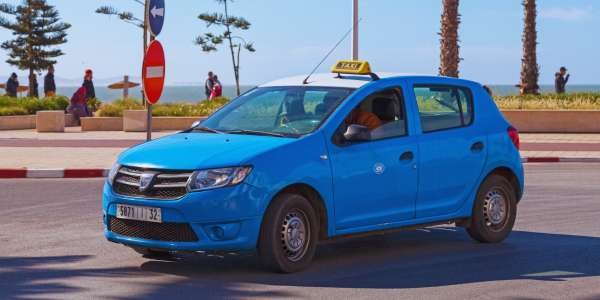
Petit Taxis
- Small vehicles (typically Fiat Unos or Dacia Logans)
- Operate exclusively within city limits
- Metered (though meters aren’t always used)
- Color-coded by city (yellow in Casablanca, blue in Rabat, etc.)
- Can carry up to three passengers
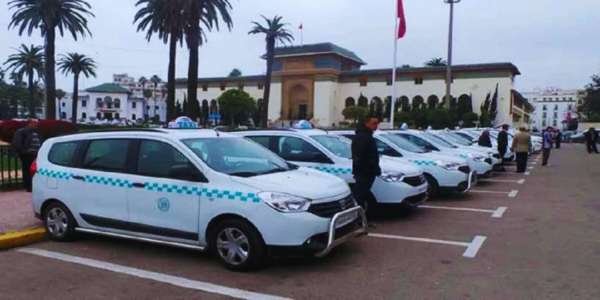
Grand Taxis
- Larger vehicles (often Dacia Lodgy)
- Connect cities and rural areas
- Fixed prices rather than meters
- Typically white or cream-colored
- Operate on a shared basis (6 passengers standard)
- Can be hired privately for a higher price
Understanding these distinctions is your first step toward safe and efficient taxi travel in Morocco.
Are Moroccan Taxis Safe? The Reality
The straightforward answer to “Is it safe to travel by taxi in Morocco?” is yes, with caveats. The vast majority of Moroccan taxi drivers are hardworking professionals trying to make an honest living. Violent crime or personal safety issues in taxis are rare.
However, travelers should be aware of:
- Negotiation practices that can sometimes lead to overcharging
- Occasional vehicle maintenance issues
- Different safety standards than you might be accustomed to
- Cultural and language barriers that can complicate communication
Understanding these factors helps create realistic expectations about the safety of taxis in Morocco without unnecessary anxiety.
Common Taxi Scams in Morocco and How to Avoid Them
While physical safety is rarely a concern, financial safety requires vigilance. Here are common issues to watch for:
“The Meter is Broken”
This classic claim often leads to inflated fares. To avoid this:
- Insist on the meter or negotiate the fare before entering the taxi
- Know the approximate rates for common routes
- Be prepared to exit and find another taxi if the driver refuses
The Long Route Scenario
Some drivers take unnecessarily long routes to increase fares. Counter this by:
- Following your route on Google Maps
- Mentioning that you’ve taken this route before (even if you haven’t)
- Politely suggesting a specific route
Airport Arrival Overcharging
Airports are hotspots for taxi overcharging worldwide. Consider booking reliable airport taxi transfers in advance through services like SeamlessTaxi to avoid this common pitfall.
Safety Tips for Solo Travelers Using Moroccan Taxis
Solo travelers, especially women, often have heightened concerns about taxi safety in Morocco. Here are specific recommendations:
- Opt for petit taxis rather than shared grand taxis when traveling alone
- Sit in the back seat rather than the front passenger seat
- Use taxi-hailing apps when available in major cities
- Take photos of the taxi license (displayed on the dashboard) before entering
- Share your location with someone you trust
- Travel during daylight hours when possible
- Trust your instincts – if something feels wrong, find another taxi
With these precautions, solo travelers can confidently navigate Moroccan taxi travel safety concerns.
Using Technology to Enhance Your Taxi Safety
Technology has transformed travel tips for using taxis in Morocco:
- WhatsApp allows you to share your real-time location with trusted contacts
- Google Maps helps verify routes and estimate journey times
- Translation apps bridge language gaps with drivers
These digital tools significantly enhance your ability to avoid taxi scams in Morocco and ensure safer travel experiences.
The SeamlessTaxi Advantage for Morocco Travelers
For travelers prioritizing peace of mind, SeamlessTaxi offers pre-arranged transportation services that eliminate many common concerns about taxi safety in Morocco. Their benefits include:
- Fixed prices established before your journey begins
- Professional, vetted drivers with good English skills
- Modern, well-maintained vehicles
- 24/7 customer support
- Door-to-door service, especially valuable for airport transfers
- Ability to book your entire trip’s transportation in advance
While SeamlessTaxi services typically cost more than standard taxis, many travelers find the premium worthwhile for the stress reduction and enhanced safety. This is particularly true for first-time visitors to Morocco or those traveling with family.
Navigating Language Barriers in Moroccan Taxis
Language challenges can complicate taxi experiences in Morocco. Most drivers speak Arabic and French, with limited English outside tourist areas. To overcome this:
- Learn basic Arabic or French phrases related to directions and numbers
- Keep your hotel’s address written in Arabic to show drivers
- Use map apps to point to destinations
- Have landmarks written down as reference points
- Use universal hand gestures to communicate effectively
Effective communication dramatically improves your Moroccan taxi travel safety experience.
Cultural Etiquette for Taxi Travel in Morocco
Understanding cultural expectations enhances both safety and enjoyment:
- Greet drivers with “Salam” (hello) as a sign of respect
- Modest attire is appreciated regardless of gender
- Small talk is common and considered polite
- Tipping isn’t mandatory, but rounding up the fare is appreciated
- Patience during prayer times may be necessary
Cultural awareness demonstrates respect and typically results in better service and safer journeys.
Final Thoughts: Making Informed Choices
So, is it safe to travel by taxi in Morocco? The answer is a qualified yes. Physical safety concerns are minimal, but awareness of potential financial issues is important.
For budget-conscious travelers comfortable with negotiation and local transportation systems, regular taxis offer authentic experiences and significant savings. For those prioritizing convenience and stress reduction, services like SeamlessTaxi provide valuable alternatives.
Whichever option you choose, proper preparation makes all the difference. By understanding the system, knowing potential pitfalls, and implementing basic precautions, you can enjoy all that Morocco has to offer with confidence in your transportation choices.
Remember that reliable airport taxi transfers can set a positive tone for your entire Moroccan experience, making them worth special consideration when planning your journey.
Have you used taxis in Morocco? Share your experiences in the comments below!
Frequently Asked Questions
Should I tip taxi drivers in Morocco?
Tipping taxi drivers isn’t mandatory in Morocco, but it’s appreciated. Most locals simply round up the fare to the nearest 5 or 10 dirhams. For exceptional service or if the driver helps with luggage, adding an extra 10-20 dirhams ($1-2) is appropriate. For longer journeys or day tours, a tip of 50-100 dirhams ($5-10) would be generous.
How much should I pay for a taxi in Morocco?
Petit taxi prices typically start at 7-8 dirhams (about $0.70-0.80) with 2-3 dirhams per kilometer. In major cities, a 15-minute ride usually costs 20-40 dirhams ($2-4). Grand taxis have set prices based on distance, with shared rides costing 10-30 dirhams ($1-3) per seat for intercity travel. For private grand taxi hire, expect to pay 200-500 dirhams ($20-50) depending on distance. Always confirm prices before starting your journey.
Are taxis in Morocco safe for female travelers?
Taxis in Morocco are generally safe for female travelers, but taking additional precautions is advisable. Women traveling alone should prefer petit taxis over shared grand taxis, sit in the back seat, travel during daylight hours when possible, and consider using pre-arranged services like SeamlessTaxi for night journeys. While most drivers are respectful, being aware and confident helps ensure safety.
Do taxi drivers in Morocco speak English?
Most Moroccan taxi drivers have limited English proficiency, particularly outside major tourist areas. They typically speak Arabic and French. In tourism hubs like Marrakech, Casablanca, and Fes, you’ll find more drivers with basic English skills. It’s helpful to learn a few key phrases in Arabic or French, keep your destination written down in Arabic, or use translation apps for smoother communication.
Can I use Uber in Morocco?
Uber doesn’t currently operate in Morocco. However, similar ride-hailing apps like Careem and Heetch are available in major cities, including Casablanca, Rabat, and Marrakech. These apps function similarly to Uber, allowing you to book rides, track your journey, and pay without cash in some cases. They offer an alternative to traditional taxis with more predictable pricing.
How do I recognize official taxis in Morocco?
Official petit taxis are color-coded by city (yellow in Casablanca, blue in Rabat, red in Marrakech, etc.) and display a light on the roof with taxi identification. They should have a working meter on the dashboard. Grand taxis are typically white or cream-colored Dacia Lodgy with taxi markings and registration numbers displayed. Avoid unmarked vehicles offering taxi services.
Is it better to use petit taxis or grand taxis in Morocco?
The better option depends on your journey. For travel within cities, petit taxis are ideal—they’re metered, take up to three passengers, and are generally more comfortable for short distances. For intercity travel, grand taxis are necessary and more economical, though they operate on a shared basis unless you pay for all six seats. For comfort on longer journeys, pre-arranged transportation through services like SeamlessTaxi may be worth the extra cost.
What should I do if a taxi driver refuses to use the meter?
If a driver refuses to use the meter, you have several options: politely insist on the meter, negotiate and agree on a fare before entering the taxi, find another taxi, or in tourist areas, ask a nearby police officer for assistance. Having an idea of appropriate fares for common routes helps in negotiations. In some cities during busy times, drivers may legitimately prefer fixed rates, but these shouldn’t be drastically higher than metered fares.
